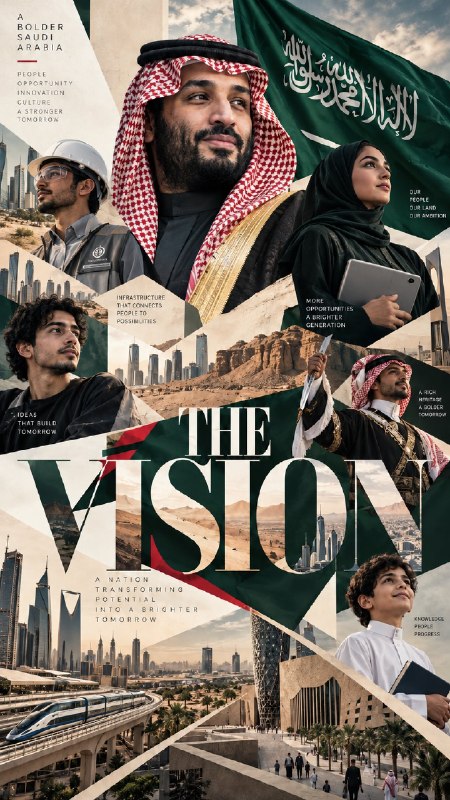
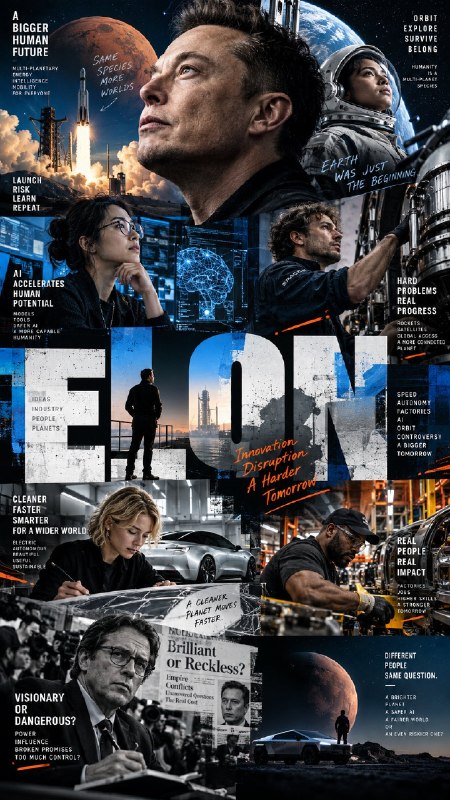
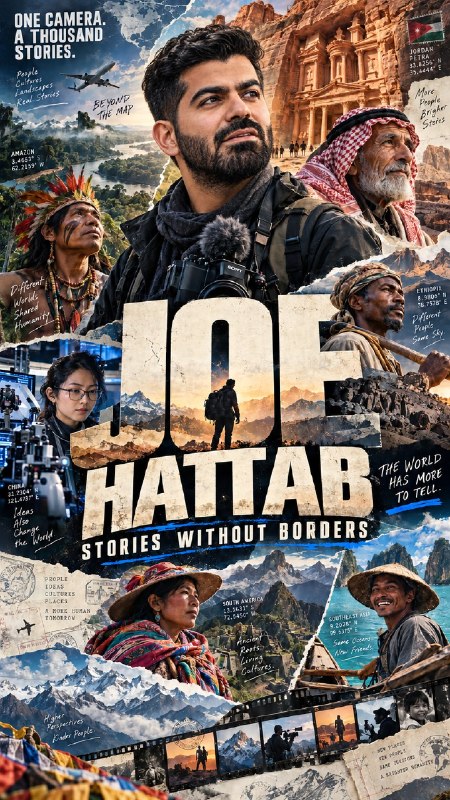
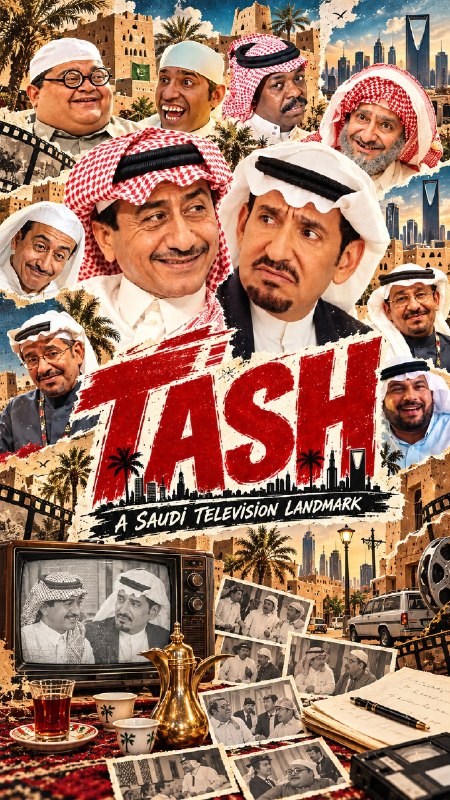
完整提示词
中文提示词
#星期四系列
图像生成器
GPT-Image-2.5 Sunburst 👌
在拼贴图像方面很不寻常,能赋予图像个人品牌感和影响力
并制作现代且出众的图像信息图
提示词在评论里
试试看 https://t.co/kmBuSVtAwh

评论区提示词(作者自回复 2108175402145341825):
创作一张非凡的 9:16 超高端电影感编辑海报,主题是:

[在此处写入人物或事件名称]

1. 先研究——强制要求

在开始设计之前,先在互联网上搜索与主题相关的可靠信息和真实视觉参考。

研究该主题的身份、历史、成就、重要人物、地点、事件以及可识别的视觉细节。

寻找主要人物和辅助角色的真实照片,最好来自官方来源、信誉良好的档案和有记录的事件。

研究他们真实的面部特征、服装、表情和关系。

如果提供了参考图像,请优先使用它们。

研究完成之前不要开始设计。绝不要编造身份,也不要用泛化的面孔替代真实人物。

如果无法浏览网页,请依赖已提供的参考资料,并且不要声称已经完成了在线研究。

2. 人物与故事

创作一个大型、写实、可立即识别的中心肖像或标志性场景。

在其周围放置 4–7 个通过研究发现的相关人物、真实时刻或有意义的视觉元素。

使用不同年龄、表情、姿势、拍摄角度和图像尺度。

每个元素都必须为可信且有吸引力的视觉故事服务。

3. 创意构图

为主题选择最合适的编辑构图:

自由式拼贴、锐利几何切割、分层带状结构、不规则肖像、圆形构图,或戏剧化电影布局。

结合超大与较小人物、重叠摄影、遮罩、负空间、撕纸纹理和动态裁切。

避免僵硬网格和可预测的排列。

为每个主题创建独特构图,而不是重复模板。

4. 字体排版

使用宏大、粗重的编辑风格字体。

主标题必须是主题人物的名字或既定事件标题。

将字体直接与照片和场景融合,让选定图像穿过并重叠字母。

使用一致的专业字重,并在字母尺度上做微妙且有意的变化。

根据研究信息添加 3–5 条简短且有意义的副标题。

所有可见文字必须为英文。

5. 色彩与视觉细节

自动选择一组精致的 3–5 色配色方案,以反映主题身份和氛围。

结合真实电影感摄影、自然肤色、浓郁阴影、胶片颗粒和高端印刷纹理。

加入真实地点、建筑、服装、物件、文件或历史细节,以支撑故事。

保持官方旗帜、宗教铭文和文化符号的准确性。省略无法正确再现的细节。

6. 艺术指导与质量

风格:世界级编辑设计、国际电影海报、韩国编辑美学、欧洲平面设计、独立杂志封面、写实纪录摄影,以及精致混合媒介拼贴。

创造出色的视觉层级、情感叙事、高信息密度和强烈的缩略图冲击力。

避免泛化的群像照片、不准确的面孔、重复人物、等尺寸肖像、基础网格、企业风布局、无意义文字、3D 字体、过度特效和水印。
英文提示词
#خميسيات
مولد الصور
GPT-Image-2.5 Sunburst 👌
غير عادي في الصور المجمعة ويعطي الصور براند شخصي ومؤثر
ويصنع انفوجرافيك صوري عصري ومتميز
البرومبت في التعليقات
جربوه https://t.co/kmBuSVtAwh

评论区提示词(作者自回复 2108175402145341825):
Create an extraordinary 9:16 ultra-premium cinematic editorial poster about:

[اكتب اسم الشخصية أو الحدث هنا]

1. RESEARCH FIRST — MANDATORY

Before designing, search the internet for reliable information and authentic visual references related to the subject.

Research the subject's identity, history, achievements, important people, locations, events, and recognizable visual details.

Find real photographs of the main person and supporting characters, preferably from official sources, reputable archives, and documented events.

Study their actual facial features, clothing, expressions, and relationships.

If reference images are provided, prioritize them.

Do not start designing until the research is complete. Never invent identities or substitute generic faces for real people.

If browsing is unavailable, rely on supplied references and do not claim that online research was completed.

2. CHARACTERS & STORY

Create one large, photorealistic, immediately recognizable central portrait or defining scene.

Surround it with 4–7 relevant characters, authentic moments, or meaningful visual elements discovered during research.

Use different ages, expressions, poses, camera angles, and image scales.

Every element must contribute to a believable and compelling visual story.

3. CREATIVE COMPOSITION

Choose the most appropriate editorial composition for the subject:

Freeform collage, sharp geometric cuts, layered bands, irregular portraits, circular compositions, or dramatic cinematic layouts.

Combine oversized and smaller figures, overlapping photography, masking, negative space, torn-paper textures, and dynamic cropping.

Avoid rigid grids and predictable arrangements.

Create a unique composition for every subject, not a repeated template.

4. TYPOGRAPHY

Use monumental, bold editorial typography.

The main title must be the subject's name or established event title.

Integrate typography directly with photographs and scenery, allowing selected images to flow through and overlap letters.

Use consistent professional letter weight and subtle, deliberate variations in letter scale.

Add 3–5 short, meaningful secondary headlines based on researched information.

All visible text must be in English.

5. COLORS & VISUAL DETAILS

Automatically select a sophisticated 3–5 color palette reflecting the subject's identity and atmosphere.

Combine realistic cinematic photography, natural skin tones, rich shadows, film grain, and premium print textures.

Include authentic locations, architecture, costumes, objects, documents, or historical details that support the story.

Preserve the accuracy of official flags, religious inscriptions, and cultural symbols. Omit details that cannot be reproduced correctly.

6. ART DIRECTION & QUALITY

Style: world-class editorial design, international film poster, Korean editorial aesthetics, European graphic design, independent magazine cover, photorealistic documentary photography, and sophisticated mixed-media collage.

Create exceptional visual hierarchy, emotional storytelling, high information density, and powerful thumbnail impact.

Avoid generic group photos, inaccurate faces, repeated characters, equal-sized portraits, basic grids, corporate layouts, meaningless text, 3D typography, excessive effects, and watermarks.