Design a Themed Room from a Public Profile — AI Image Prompt Guide
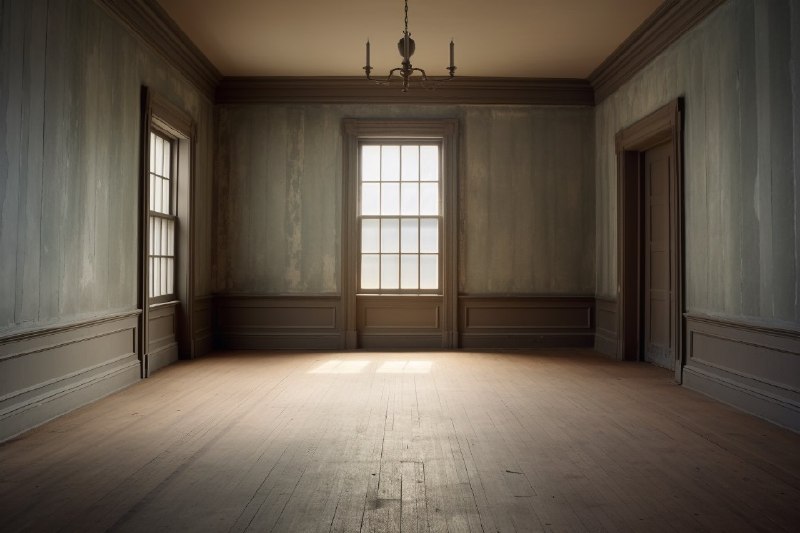
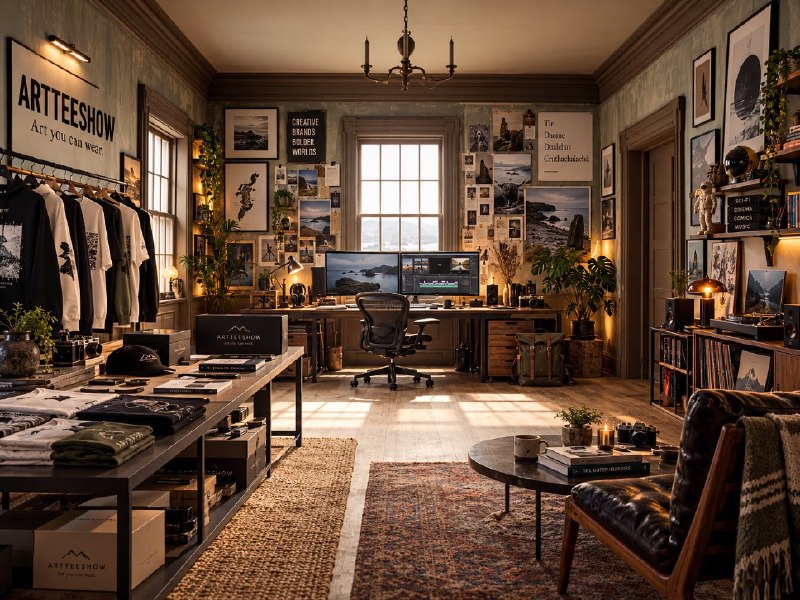
Use a person's public profile as the basis for a themed room. The case explores translating profile information into an environment rather than inventing unrelated personal details.
English translation of the public case notes.
Text-to-image case translating a public personal profile into room furnishings. It tests how contextual clues are selected and represented while respecting privacy boundaries. Suggested uses include profile visuals, fictional character rooms and brand mood boards. Input: publicly usable preferences, professional qualities, interests and basic room requirements. Define the permitted information first, then room function, object density, style and exclusions. Otherwise, a vague instruction to use everything known about someone may become a cluttered collection of objects. Exclude real names, identity documents, addresses, chat histories, family relationships and other deeply personal information. Avoid unrelated hidden references and an unfocused room. Practical controls: • Replace “what you know about me” with an explicit list of public descriptors. • Specify a study, bedroom or studio to make object selection logical. • Represent personality and interests through symbolic objects rather than sensitive text or identifying details.
Original case notes (Chinese)
🧯 翻车点观察|让画像住进一间房 本轮测试:文生图 / 图像编辑。 这条有意思在于:这个案例把抽象的“个人画像”转成空间陈设,重点考验模型对上下文线索的提炼、取舍与隐私边界控制。适合个人主页视觉、角色房间设定、品牌气质板等场景。 验证过程: 类型:文生图 输入:可被公开使用的个人偏好、职业气质、兴趣关键词、房间基础设定 目标:生成一间由用户公开画像驱动的主题房间 关键词:个人画像 / 房间陈设 / 隐私排除 / 兴趣物件 / 氛围归纳 / 视觉隐喻 重点:先限定“可使用的信息范围”,再描述房间类型、物件密度、风格与隐私排除规则,否则模型容易把抽象了解转成杂乱堆物。 约束:避免真实姓名、证件、住址、聊天记录、家庭关系等深度个人信息;避免无关彩蛋过多、空间失焦。 💡 决定成败的三点 • 把“了解我”改成可公开的标签清单,降低隐私和误读风险 • 指定房间功能,如书房、卧室、工作室,让物件选择更有逻辑 • 要求用象征物表达性格与兴趣,而不是直接出现敏感文字或身份信息 #GPTImage2 #OpenAI #AI绘画 #个人画像房间 #室内陈设 #上下文转视觉